By 2021, China had nearly 17 million people living with Alzheimer's disease and other dementias. Total dementia prevalence was about 15 million, including roughly 10 million with Alzheimer's. By 2030, more than 10 million Alzheimer's cases are projected nationwide.
Every day, about 1,156 older adults in China are reported unable to find their way home. According to the China Missing Elderly Status White Paper, roughly 500,000 seniors go missing each year — an average of about 1,370 per day. Among them, about 602 are successfully reunited with family.
Dementia is one of the leading causes of wandering among older adults. In one media sample of 534 disease-related missing-person cases, 364 involved Alzheimer's or other dementias. Surveys also suggest that about 72% of missing seniors show memory impairment, and about 25% had a clinical dementia diagnosis.
Preventive measures communities and families can take include:
Establishing information archives — communities maintain records for each older resident (name, age, address, emergency contacts) shared with civil affairs and public-security channels where appropriate.
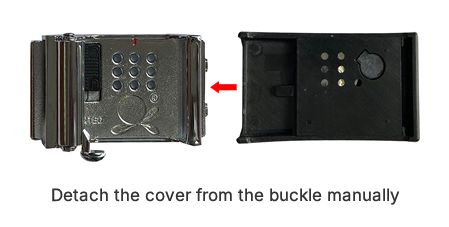
Deploying locator devices — smart wristbands, belts with embedded or modular locators, and locator watches marked with home address and family contact details.
Expanding social support — volunteer and community programmes that reduce isolation and respond quickly when an older person is at risk.
Together, these steps can lower wandering risk and improve quality of life for seniors and caregivers.
As a result, many locator products have entered the market — a large share aimed specifically at older adults. By form factor they fall into two broad groups illustrated below.